
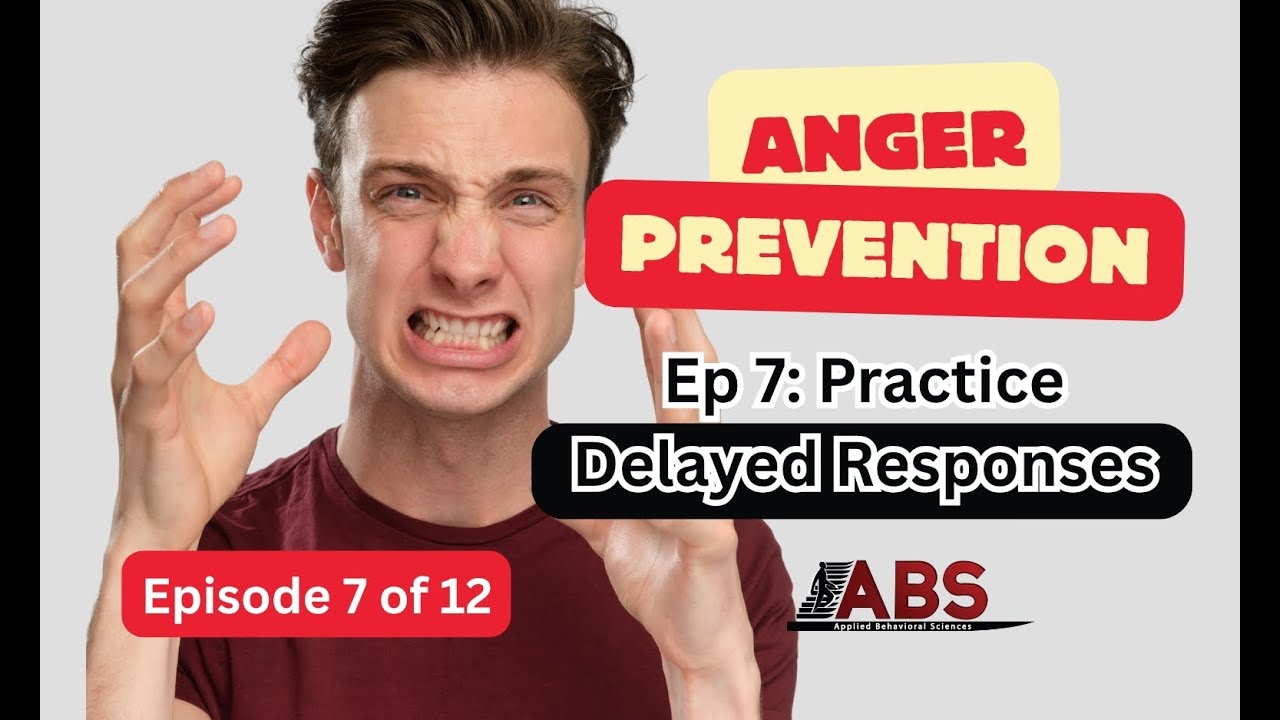
Anger Prevention Series – Ep 7 Practice Delayed Responses
Anger rarely asks permission. It arrives fast. Loud. Physical. One moment feels manageable, the next feels charged. Episode 7 of the Anger Prevention Series focuses on a deceptively simple skill that interrupts that momentum before it takes over: delayed response. The pause. The space between feeling and reacting.
It doesn’t look dramatic. But it works.
Why anger speeds things up
Anger activates the body before the mind has time to catch up. Heart rate jumps. Muscles tighten. Breathing shortens. The nervous system prepares for action. This is not a personal failure. It’s biology.
When the body senses threat or disrespect, it prioritizes speed over clarity. Words spill out. Actions follow. Regret often comes later. Delayed response slows that chain reaction just enough to change the outcome.
The five-second reset
The idea is simple. When anger rises, count to five before responding. Those seconds matter more than they seem.
In that brief pause, the emotional brain begins to step back. The logical, decision-making part of the brain gets a chance to engage. You’re no longer trapped in reflex. You’re choosing. Five seconds won’t erase anger. But it can prevent it from steering the wheel.
Why pausing feels uncomfortable
When emotions run hot, stillness can feel unnatural. Even threatening. The body wants release. It wants movement. It wants expression now.
That discomfort is part of the training.
Delayed response isn’t suppression. It’s tolerance. Learning that you can sit with intensity without being consumed by it.
The nervous system adapts through repetition. Each pause teaches safety. Each pause builds capacity.
Two practical ways to practice delayed responses
This skill strengthens with use. These two exercises make the pause more accessible in real moments. Mindful silence. When you feel anger rising, say nothing. Not even a soft reply.
Pay attention to physical cues:
- Jaw clenching
- Shoulders lifting
- Hands tightening
- Heat moving through the chest
Notice without commentary. Let the sensations exist without turning them into action. Breath as regulation. Take a slow breath in through your nose. Pause briefly. Exhale through your mouth.
Repeat once or twice. This sends a clear signal to the body: you are not under immediate threat. The nervous system begins to settle.
What consistent practice creates
Over time, the pause shortens the lifespan of anger. The urge to react loses intensity. Clarity returns faster.
You begin to respond instead of react. This isn’t about becoming passive. It’s about becoming deliberate. Anger still speaks. It just doesn’t shout.
A small pause with a big impact?
Anger isn’t the enemy. It’s information. A delayed response gives you time to interpret that information without damage. Five seconds may feel small, but it creates space for restraint, insight, and control.
Practice the pause. Again and again. That quiet moment is where change begins.
Click to view: https://youtu.be/hZ8ToWKxgVI
Related Posts

Anger Prevention Series: Ep 12 Living the Peaceful Life – A Final Challenge
Peace doesn’t arrive all at once. It grows through repetition. Many people think...

10 Symptoms of Sex Addiction: When Desire Becomes a Compulsion
Sexuality is a natural and healthy aspect of human life. However, for some...